Warm everyday memory
Gentle skin, family-trip warmth and a classic orange date stamp.
iPhone camera · made for memories
PocketCCD reacts to light, flash and the scene while you shoot. Pick a camera, press the shutter, keep the moment—no accounts, no cloud processing, no filter maze.
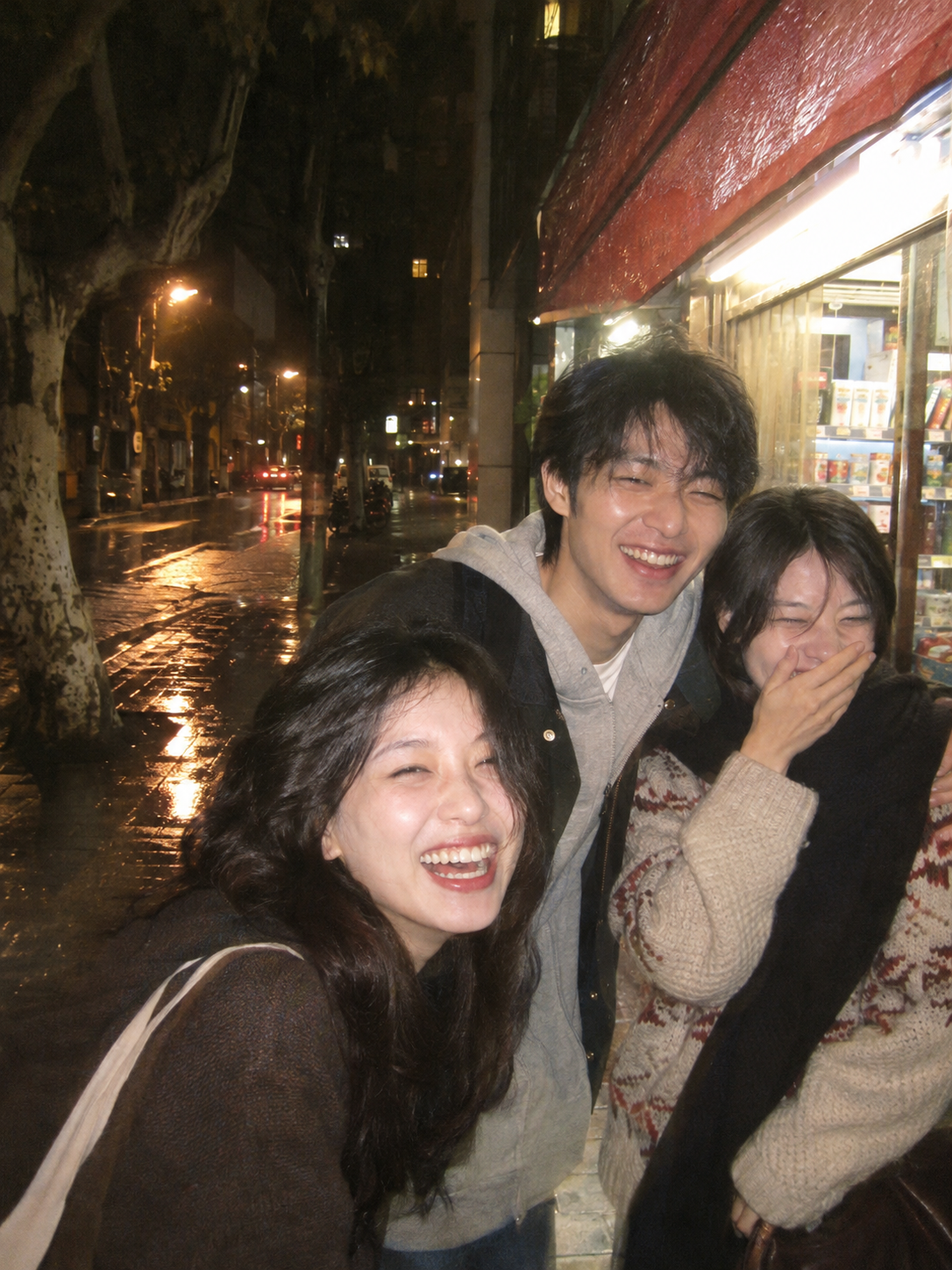
04 camera personalities
Each Pocket camera owns its color, noise, highlights, flash response and shutter character. The live preview and final image share the same recipe.
Gentle skin, family-trip warmth and a classic orange date stamp.
Crisp party light built for restaurants, concerts and friends after dark.
Two distinct paid personalities, unlocked forever with one purchase.
Made to keep
Pocket Roll turns ordinary captures into compact, shareable memories without becoming an editor.
Private by design
Rendering, best-frame suggestions, roll organization and product counters happen on your iPhone. PocketCCD does not require an account and does not send product analytics to a server.
Quick facts
PocketCCD is an iPhone camera app—not a filter marketplace. It gives a small set of fictional cameras their own color, noise, highlight, flash and shutter behavior.
No. Photo rendering, best-frame analysis and Pocket Roll organization happen on your iPhone. Content leaves the app only when you choose to save, share, export or use Paired Capture.
No. A7 and A8 are free. PocketCCD Full is a one-time purchase that unlocks C1 and N2.
The camera recipe responds to the scene, exposure and flash while you shoot. Preview and full-resolution output use the same camera personality instead of applying a generic overlay afterward.